A price per metric ton for magnesium oxide depends on the grade, the physical form, the specification limits, the quantity, the packing and the destination port. The same factors apply to magnesium chloride and calcium chloride.
Grade and Standard
Food grade and USP grade magnesium oxide are made and tested to different standards, and each is quoted as its own product. Our food grade is made to GB 1886.216-2016 and FCC; our USP grade to the USP 41 monograph. Name the grade and the standard in your request. See Food Grade Magnesium Oxide and USP Magnesium Oxide for the specifications.
Physical Form
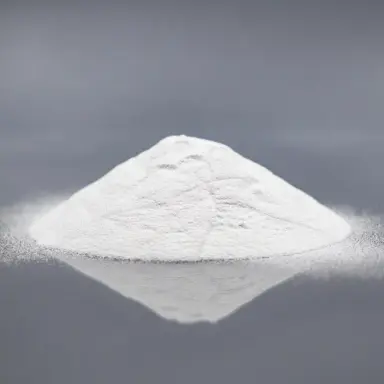
Light powder, heavy powder and granules are different products with different bulk densities, so a quote is for one form. If you are not sure which form suits your process, Light vs Heavy Magnesium Oxide explains the difference.
Form also changes freight and storage cost. At our typical bulk density of 0.10–0.20 g/mL, a metric ton of light powder fills about 5–10 cubic meters before packing; a metric ton of granules at 0.45–0.65 g/mL fills about 1.5–2.2 cubic meters. When freight or warehouse space is charged by volume, a bulky form costs more to move and store per metric ton.
Specification Limits
A quote covers a specification. If your market needs limits that differ from our specification sheet, for example a lower lead limit, send them with the request so the quote is for the right product.
Quantity
We quote for the quantity you state, from a minimum of 1 metric ton. Give the quantity per shipment and, for repeat orders, the expected annual volume.
Packing
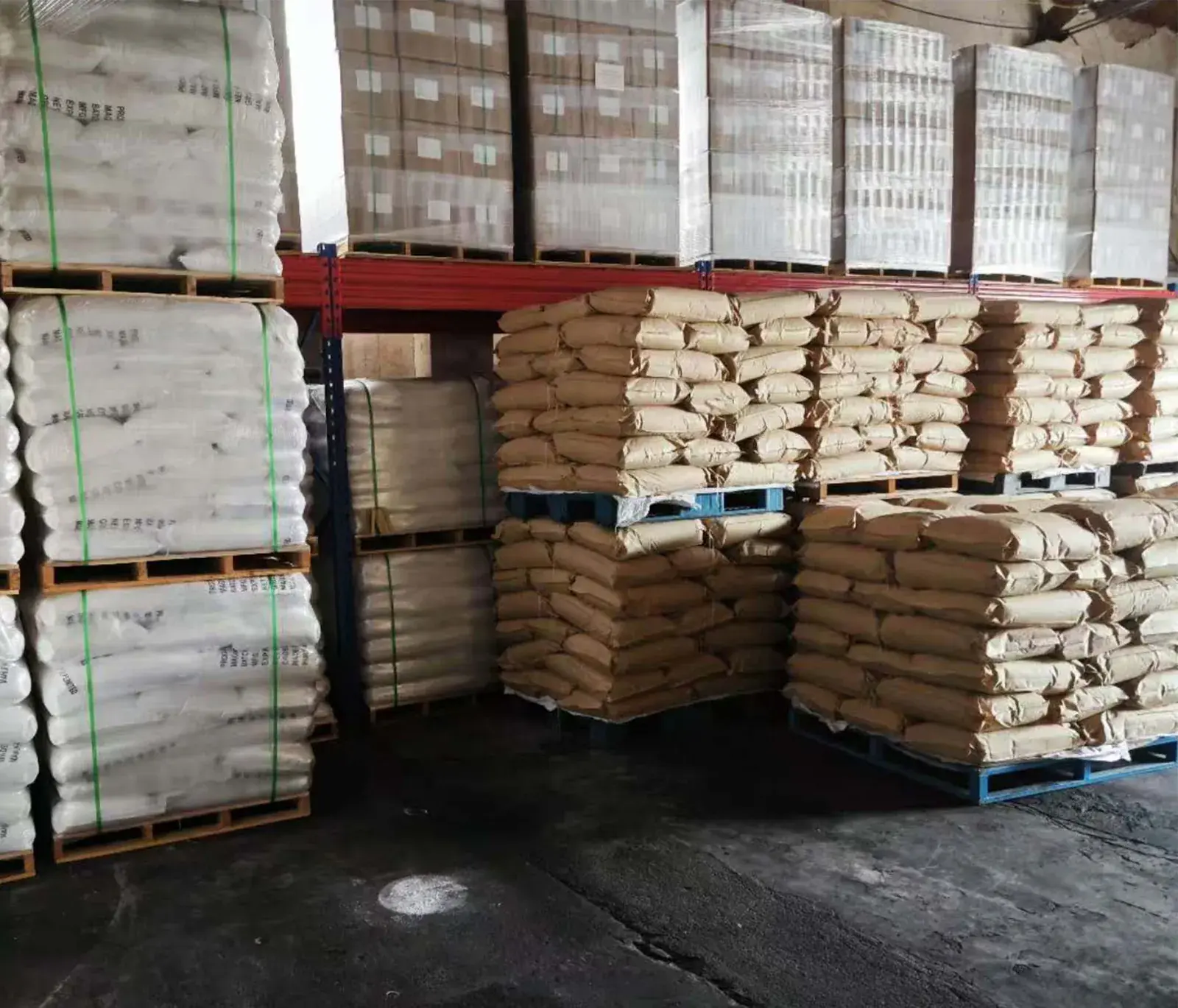
Standard packing is 10, 15 or 25 kg bags: PP woven bags or kraft paper bags with a PE liner. Neutral packing is standard. Tell us the bag size and any labeling you need; custom packing is quoted on request.
Destination, Payment and Documents
Freight and insurance depend on the destination port, so state the port and the trade term you want. We accept T/T or L/C. Each shipment comes with a COA, and the TDS, SDS and specification sheet for each product can be downloaded from its product page.
Magnesium Chloride and Calcium Chloride
The same factors apply. For these two salts, also compare offers on the content of the active salt, because the hydrated and anhydrous forms carry different amounts per metric ton:
- Magnesium chloride: the hexahydrate contains about 46.8% MgCl₂ (specification minimum 46.4%); the anhydrous powder at least 98%. See Magnesium Chloride Hexahydrate vs Anhydrous and Bulk Magnesium Chloride.
- Calcium chloride: our dihydrate flakes and powder contain at least 77% CaCl₂; the anhydrous pellets and powder at least 93%. See Calcium Chloride Anhydrous vs Dihydrate.
To compare two offers, divide each price per metric ton by its content. That gives the price per metric ton of MgCl₂ or CaCl₂.
Comparing Price per Unit of Magnesium
If you buy a compound only as a source of magnesium, compare offers on the magnesium they deliver rather than on the weight of powder. Divide the price per metric ton by the magnesium content:
| Compound | Magnesium Content |
|---|---|
| Magnesium oxide (MgO) | 60.3% (pure compound) |
| Magnesium hydroxide (Mg(OH)₂) | 41.7% (pure compound) |
| Basic magnesium carbonate | About 24–26% (our specification) |
| Magnesium chloride hexahydrate | About 12.0% (pure compound) |
For example, a price per metric ton of magnesium oxide divided by 0.603 gives the price per metric ton of magnesium if the product were pure MgO; use the assay on the specification for a closer figure. The Magnesium Content Calculator does the conversion for any assay. The cheapest compound per kilogram is not always the cheapest per kilogram of magnesium, and the choice also depends on what the compound has to do in your product.
Samples Before Bulk
Samples are free of charge. Testing a sample in your own process before you agree a bulk price avoids paying for a form or specification that turns out not to suit. Tell us the form and grade you want to test.
What to Send for a Quote
- Product, grade and standard
- Form (light powder, heavy powder, granules, flakes or pellets)
- Quantity per shipment and expected annual volume
- Bag size and labeling
- Destination port and trade term
- Any specification limits your market requires
Send these through the form on this page. We reply with a price, lead time and documents.