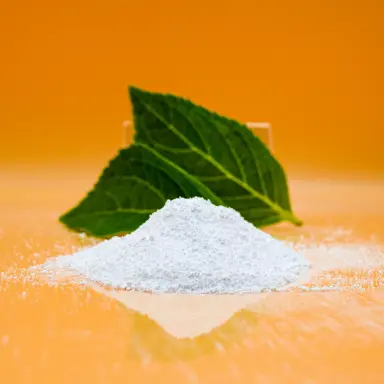
USP magnesium oxide in heavy and light powder, made to the USP 41 monograph for Magnesium Oxide at our plant in Weifang, Shandong. MOQ 1 metric ton, free samples, and TDS, COA and SDS for both forms.
USP 41 Specification
The table below is for USP grade heavy magnesium oxide powder, taken from our specification sheet. USP grade light magnesium oxide has the same limits, with a typical bulk density of 0.10–0.20 g/mL. The COA for each batch reports results against these limits.
Specifications: USP Grade Heavy Magnesium Oxide Powder
| Item | Specification |
|---|---|
| Description | Fine, white or almost white powder |
| Identification | Positive test for magnesium |
| Magnesium Oxide (MgO) | 96.0–100.5% |
| Free Alkali and Soluble Salts | ≤ 2.0% |
| Acid-Insoluble Substances | ≤ 0.1% |
| Calcium (Ca) | ≤ 1.1% |
| Heavy Metals | ≤ 20 ppm |
| Iron (Fe) | ≤ 0.05% |
| Loss on Ignition | ≤ 10.0% |
Heavy or Light USP Magnesium Oxide
- USP Grade Heavy Magnesium Oxide Powder: higher bulk density, so it takes up less volume per kilogram and flows better when filling tablets and capsules.
- USP Grade Light Magnesium Oxide Powder: low bulk density and a large surface area, so it disperses easily and reacts faster.
More on the two forms: Light vs Heavy Magnesium Oxide.
Both are used as an antacid, an osmotic laxative and a magnesium source in supplements. MgO is 60.3% magnesium by weight, the highest of the common magnesium compounds, which keeps tablets small.
Antacid Use and US Rules
Magnesium oxide reacts with stomach acid to form magnesium chloride and water. Per gram, pure MgO neutralizes about 49.6 mEq of acid in theory, more than magnesium hydroxide (about 34.3 mEq) or magnesium carbonate. This is a stoichiometric figure; the capacity of a finished product is measured by test.
In the United States, the OTC antacid monograph lists magnesium oxide among the permitted active ingredients (21 CFR 331.11). 21 CFR 331.10 requires a finished antacid to provide at least 5 mEq of acid-neutralizing capacity, measured by the USP method, and sets how each active ingredient's share is calculated. Dose and labeling rules apply to the finished product. For the comparison with magnesium hydroxide, see Magnesium Oxide vs Magnesium Hydroxide.
USP Grade vs Food Grade
Both grades are MgO with an assay of 96.0–100.5% and the same limits for loss on ignition, acid-insoluble substances, heavy metals and iron.
| Item | USP Grade | Food Grade |
|---|---|---|
| Standard | USP 41 | GB 1886.216-2016, FCC |
| Calcium (Ca) | ≤ 1.1% | ≤ 1.5% |
| Tests Listed Only in This Grade | Free alkali and soluble salts | Soluble salts; appearance of solution; lead, arsenic, cadmium and mercury; particle size; whiteness; microbiological limits |
For food additive use, see Food Grade Magnesium Oxide.
What the USP Tests Cover
- Assay: MgO content of the product, on the basis stated on the certificate.
- Loss on ignition: weight lost on strong heating, mainly moisture and carbon dioxide that magnesium oxide picks up from the air.
- Free alkali and soluble salts: water-soluble matter, including free alkali, left in the product.
- Acid-insoluble substances: residue that does not dissolve in dilute hydrochloric acid, such as silica.
- Calcium: calcium carried over from raw materials.
- Heavy metals: metals such as lead, reported together as one total.
- Iron: iron content, which can affect color.
For what to check on the certificate that comes with each shipment, see How to Read a Magnesium Oxide COA.
Storage and Loss on Ignition
Magnesium oxide slowly takes up moisture and carbon dioxide from the air, and the USP loss on ignition limit (≤ 10.0%) is the test that shows it. The light powder has more surface exposed per kilogram, so it is the more sensitive of the two. Keep bags sealed in a dry place at room temperature and close part-used bags. Shelf life is 24 months in the original sealed bag.
Documents, Packing and Ordering
- Documents: TDS, COA, SDS and specification sheet for both forms, on each product page and in the Download Center. No login is needed. Each shipment comes with a COA.
- Packing: 10, 15 or 25 kg bags: PP woven bags or kraft paper bags with a PE liner. Neutral packing is standard; custom packing on request.
- Minimum order: 1 metric ton.
- Samples: free of charge.
- Payment: T/T or L/C.
- Lead time: confirmed with each quotation.
- Shelf life and storage: 24 months in the original sealed bag. Keep sealed, in a dry place at room temperature.
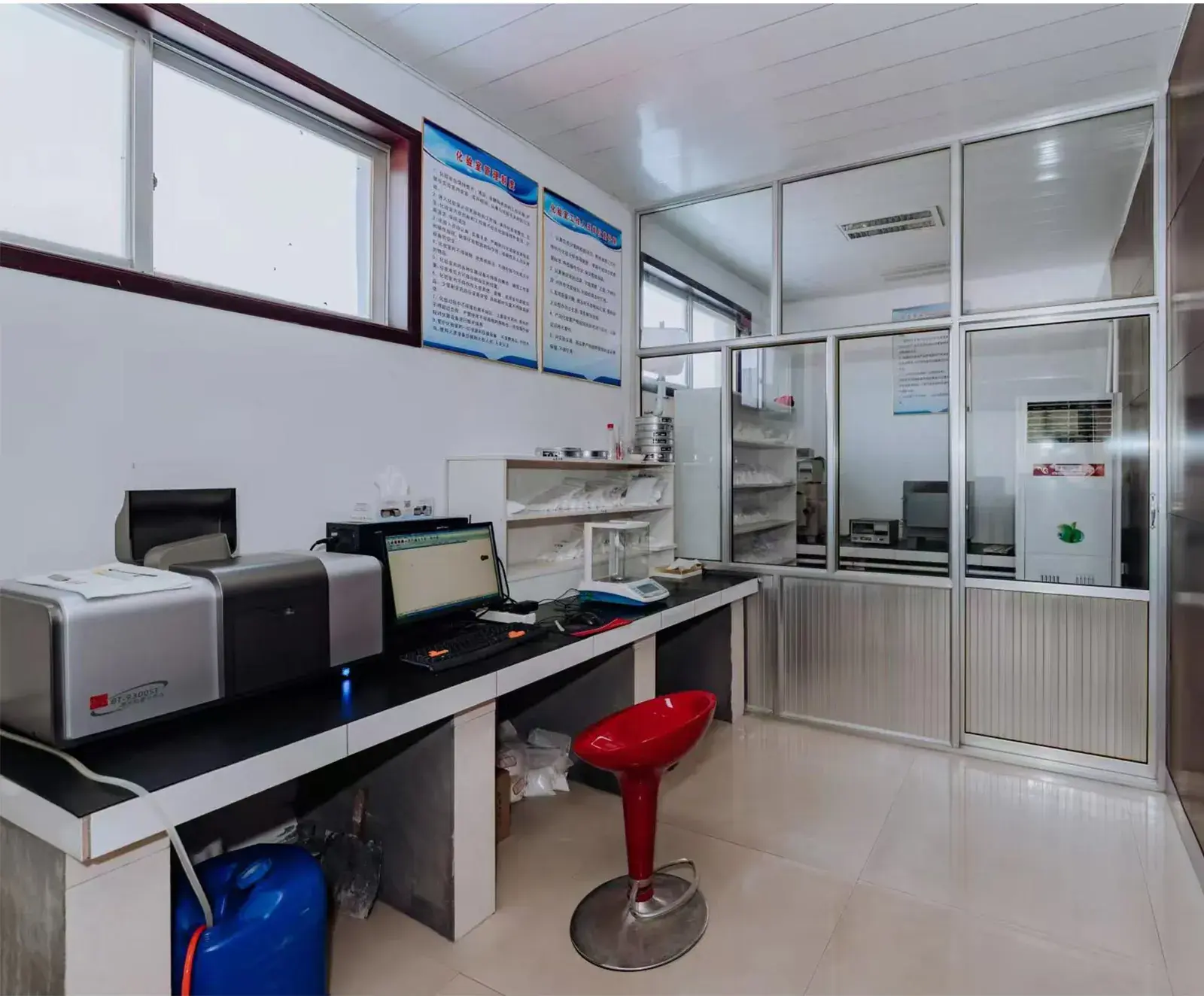
Every batch is tested in the plant lab before packing; see Quality Control & Documentation. Our other USP grade products are on USP Grade Magnesium Salts, and their uses on Pharmaceuticals & Supplements.
What to Send With Your Inquiry
- Form: heavy or light powder
- Quantity per shipment and expected annual volume
- Destination port and bag size
- The pharmacopoeia and edition your product is registered to
Our USP grade is made to USP 41. If your product follows another pharmacopoeia, such as the European or Japanese Pharmacopoeia, send the monograph with your inquiry so we can check it against our specification before we quote.