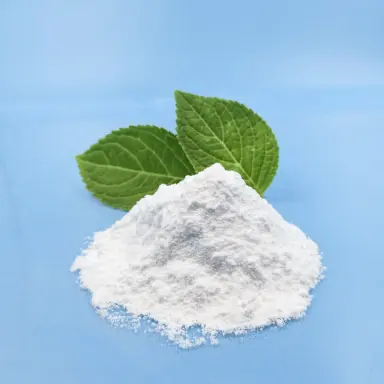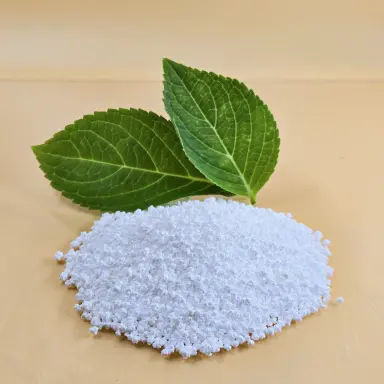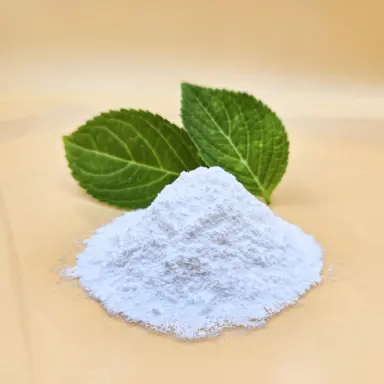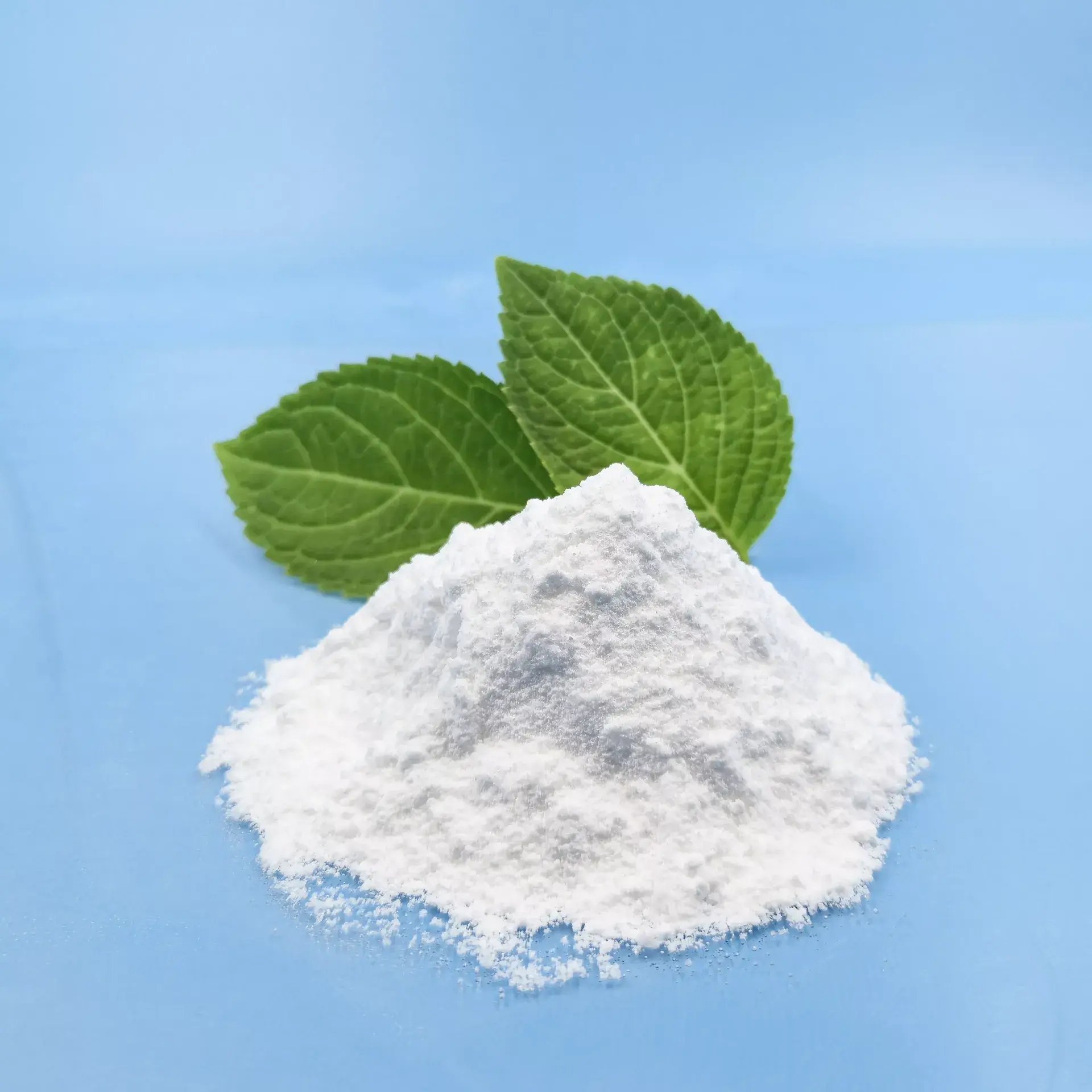
Our anhydrous calcium chloride is at least 93% CaCl₂ and our dihydrate at least 77%. On those minimums, one metric ton of anhydrous carries about as much CaCl₂ as 1.21 metric tons of dihydrate.
Composition
| Item | Anhydrous | Dihydrate |
|---|---|---|
| Formula | CaCl₂ | CaCl₂·2H₂O |
| CAS | 10043-52-4 | 10035-04-8 |
| Molecular Weight | 110.98 | 147.01 |
| CaCl₂ in Our Specification | ≥ 93% | ≥ 77% |
| Calcium at Our Minimum | About 33.6% | About 28% |
| Solubility | Freely soluble in water | Freely soluble in water |
| Our Forms | Pellets, powder | Flakes, powder |
Pure CaCl₂ is 36.1% calcium by weight. Some food rules state limits as calcium rather than as calcium chloride, so check which basis a limit uses before you set a dose.
Content per Metric Ton
On our specification minimums, one metric ton of anhydrous calcium chloride carries about as much CaCl₂ as 1.21 metric tons of dihydrate. Anhydrous carries more CaCl₂ per kilogram, so freight cost per unit of CaCl₂ is lower, especially over long sea freight. To compare offers, divide each price per metric ton by its CaCl₂ content.
How Calcium Chloride Is Produced
21 CFR 184.1193 lists three sources for food-use calcium chloride: a by-product of the ammonia-soda (Solvay) process, a joint product from natural salt brines, and substitution reactions with other calcium and chloride salts. The dihydrate and the anhydrous form are both covered, and the ingredient must meet the Food Chemicals Codex specification.
Handling
- Anhydrous: gives off a lot of heat as it dissolves, so add it to water slowly. Pellets produce little dust and pour easily; the powder dissolves quickly.
- Dihydrate: dissolves with less heat. The powder dissolves faster than flakes and blends evenly into dry mixes.
- Both: absorb moisture from the air, so reseal opened bags right away. Calcium chloride causes serious eye irritation (H319); wear eye protection and read the SDS.
Calcium chloride is strongly hygroscopic. A US Forest Service guide gives the point at which it starts to absorb water from the air as about 29% relative humidity at 25 °C, falling to about 20% at 38 °C. Store bags in a dry area and keep them closed between uses. Shelf life for all four products is 24 months in the original sealed bag.
Standards and Uses
All four of our calcium chloride products are made to GB 1886.45-2016 and FCC. Calcium chloride is E 509 in the EU. Food uses include:
- Firming agent for canned vegetables, canned fruit and pickles
- Cheese making, to restore the calcium balance of pasteurized milk
- Brewing, to adjust calcium and chloride levels in brewing water
- Coagulant for tofu and other soy products
US Maximum Levels in Food
21 CFR 184.1193 affirms calcium chloride as GRAS and sets maximum levels, as served, that reflect current good manufacturing practice. Some of them:
| Food Category | Maximum Level as Served |
|---|---|
| Plant protein products | 2.0% |
| Processed vegetables and vegetable juices | 0.4% |
| Condiments and relishes | 0.4% |
| Coffee and tea | 0.32% |
| Baked goods, dairy product analogs | 0.3% |
| Meat products | 0.25% |
| Nonalcoholic beverages and beverage bases | 0.22% |
| Cheese, processed fruit and fruit juices | 0.2% |
| All other food categories | 0.05% |
Rules differ by market. In cheese making, dairy research reports typical additions of 100–200 mg of calcium chloride per kilogram of milk, and Health Canada's list of permitted firming agents allows up to 200 ppm of the milk used. Check the rules for your product and market before you set a dose.
Which to Choose
Most food processors choose by price per unit of CaCl₂ and by how they dissolve it. Anhydrous lowers freight cost per unit of CaCl₂; the dihydrate is easier to handle because it gives off less heat. Within each type, pellets pour easily with little dust, and powders dissolve fastest and blend evenly into dry mixes.
Product pages: Food Grade Anhydrous Calcium Chloride Pellets, Food Grade Anhydrous Calcium Chloride Powder, Food Grade Calcium Chloride Dihydrate Flakes and Food Grade Calcium Chloride Dihydrate Powder.