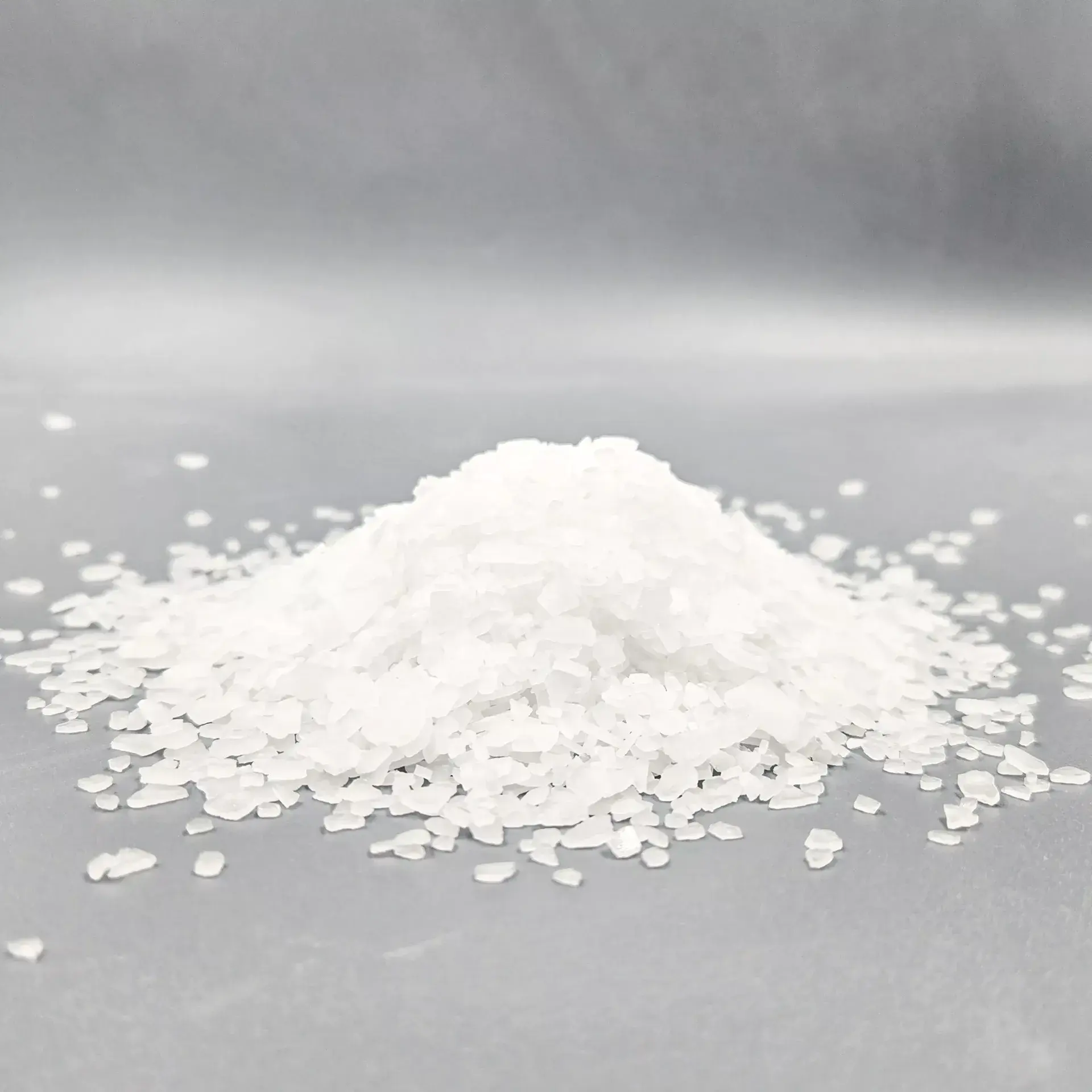
Magnesium chloride hexahydrate is about 46.8% MgCl₂; anhydrous magnesium chloride is at least 98%. About 0.47 metric ton of anhydrous carries as much MgCl₂ as one metric ton of hexahydrate.
Composition
| Item | Hexahydrate | Anhydrous |
|---|---|---|
| Formula | MgCl₂·6H₂O | MgCl₂ |
| CAS | 7791-18-6 | 7786-30-3 |
| Molecular Weight | 203.30 | 95.21 |
| MgCl₂ Content | About 46.8% (spec ≥ 46.4%) | ≥ 98% |
| Magnesium Content (Pure Compound) | About 12.0% | About 25.5% |
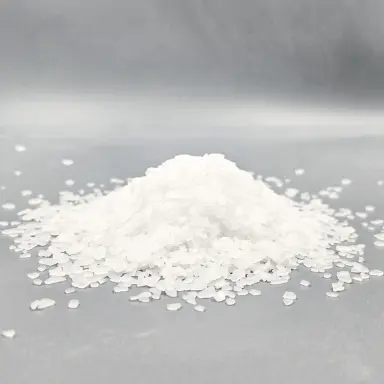
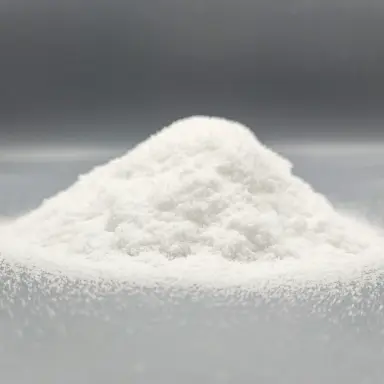
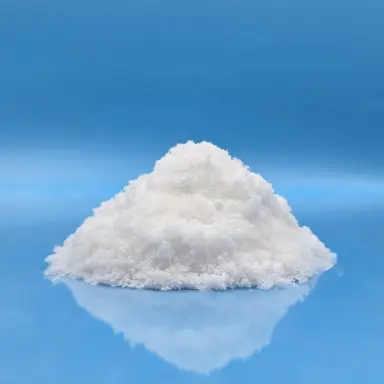
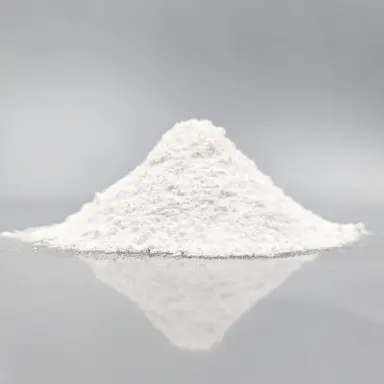
| Our Forms | Flakes, granules, granular powder | Powder |
Note on CAS numbers: JECFA and 21 CFR 184.1426 give 7786-30-3 for magnesium chloride as a substance, including the hexahydrate. Other databases list the hexahydrate separately as 7791-18-6. Our product pages use 7791-18-6 for the hexahydrate.
Content per Metric Ton
One metric ton of anhydrous magnesium chloride carries about as much MgCl₂ as 2.1 metric tons of hexahydrate. Put the other way, about 0.47 metric ton of anhydrous replaces one metric ton of hexahydrate. That lowers freight and storage cost per unit of MgCl₂. To compare offers, divide each price per metric ton by its MgCl₂ content.
The same ratio applies when you convert a recipe. If a process calls for 1 kg of hexahydrate, about 0.47 kg of anhydrous powder gives the same amount of MgCl₂, plus about 0.53 kg less water. Adjust the water in the recipe if that matters.
Handling
- Hexahydrate: very soluble in water and strongly hygroscopic. Keep bags sealed in a dry place and close part-used bags. The granular powder dissolves fastest; flakes and granules flow better and cake less in storage.
- Anhydrous: absorbs water and deliquesces in moist air, and gives off heat as it dissolves. Add it to water gradually, with stirring.
How fast magnesium chloride picks up water depends on the air. A US Forest Service guide gives about 32% relative humidity as the point above which magnesium chloride starts to absorb water from the air. Keep every form sealed until use.
Standards and Regulatory Status
Our hexahydrate flakes, granules and granular powder are made to GB 25584-2010 and FCC. Magnesium chloride is E 511 in the EU, and 21 CFR 184.1426 affirms it as GRAS for use as a flavoring agent and adjuvant and as a nutrient supplement. The regulation describes it as a colorless, deliquescent crystalline material that occurs naturally as the mineral bischofite, prepared by dissolving magnesium oxide, hydroxide or carbonate in hydrochloric acid and crystallizing the hexahydrate. In its 2019 re-evaluation of chloride food additives, including E 511, EFSA found no safety concern at the reported uses.
The JECFA and EU food additive specifications cover the hexahydrate only, so our anhydrous powder is supplied to our own product specification (MgCl₂ ≥ 98%). It is used where added water is unwanted.
Magnesium Chloride for Tofu
The hexahydrate is the traditional tofu coagulant called nigari, a chloride-based coagulant that is a by-product of making salt from seawater. Food science reviews describe it this way:
- Magnesium chloride is very soluble, so it sets soy milk quickly.
- Coagulation that is too fast can give tofu that holds less water and has a coarser texture. Calcium sulfate gives a more even, smoother curd.
- In one laboratory study on six soybean varieties, tofu firmness rose once magnesium chloride in the soy milk passed about 0.20% and peaked at around 0.40%, with the best level depending on the variety.
These are laboratory results, not a recommended dose. Trial the coagulant with your own soy milk and process.
Which to Choose
Choose the hexahydrate for tofu, food processing and bath products. Consider the anhydrous form when freight and storage cost per unit of MgCl₂ matter, or when your process cannot take the water of crystallization. Within the hexahydrate, pick the form by handling: granular powder when you dissolve it quickly, flakes or granules when you store it longer or feed it by machine.
All four forms, with order terms: Bulk Magnesium Chloride. To compare magnesium content across compounds, use the Magnesium Content Calculator.