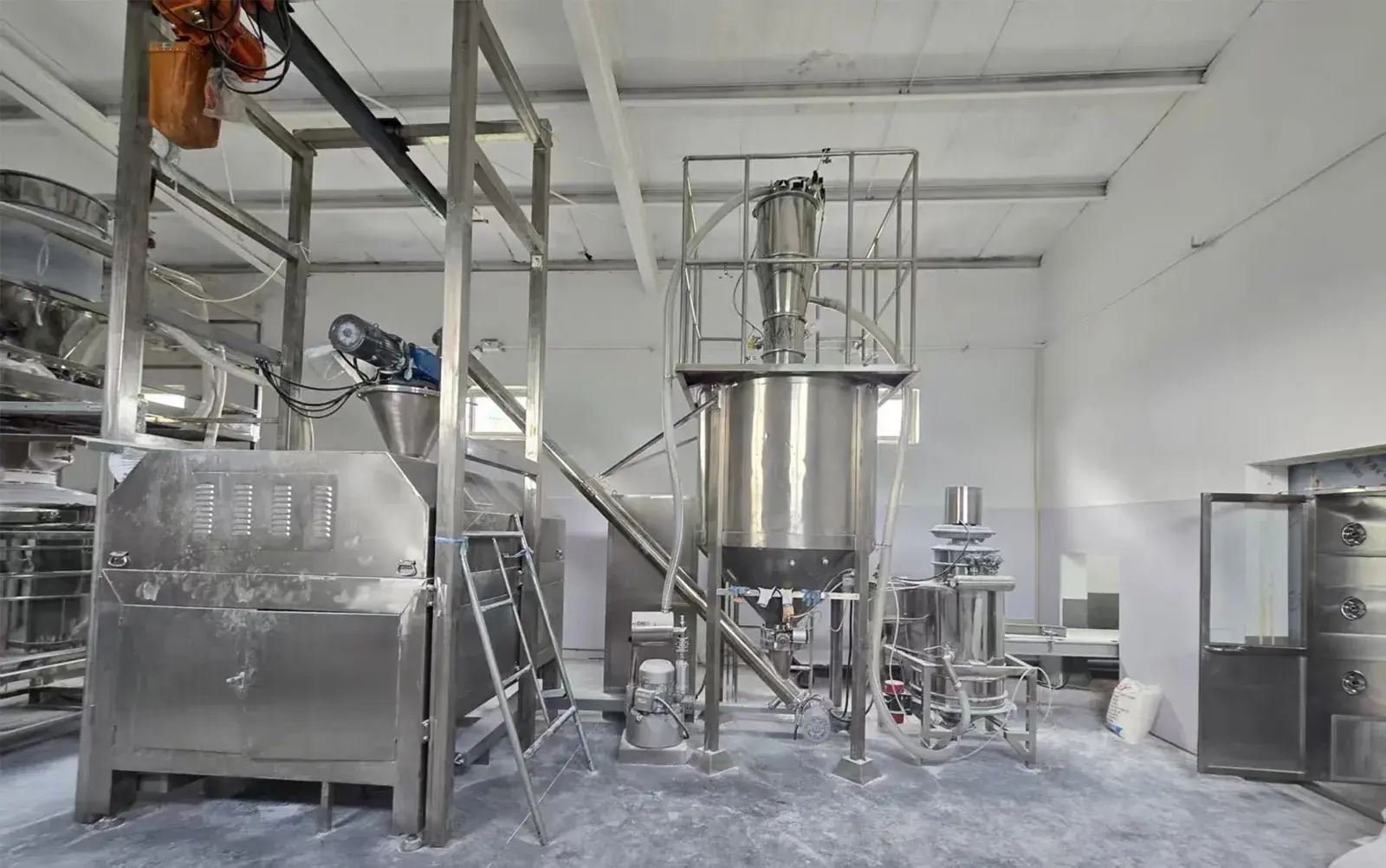
Food grade magnesium oxide (MgO, E 530) in light powder, heavy powder and granules, made at our plant in Weifang, Shandong, and tested to FCC. MOQ 1 metric ton, free samples, and TDS, COA and SDS for every form.
Light, Heavy or Granules: Which Form to Choose
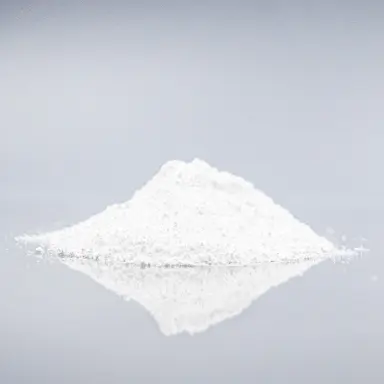
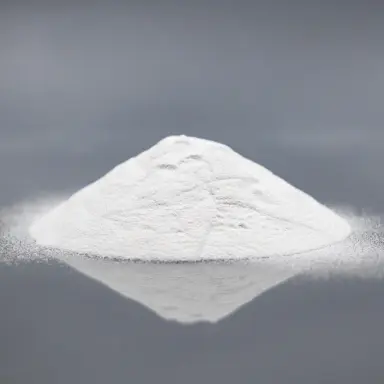
All three forms are magnesium oxide with the same chemical limits; they differ in particle size and bulk density. 21 CFR 184.1431 describes light magnesium oxide as a bulky white powder and heavy magnesium oxide as a relatively dense white powder. For more detail, see Light vs Heavy Magnesium Oxide.
| Form | Bulk Density (Typical) | Typical Use |
|---|---|---|
| Light Powder | 0.10–0.20 g/mL | Supplements and fortified foods; disperses easily |
| Heavy Powder | Higher than light powder | Tablet and capsule filling; less volume per kilogram |
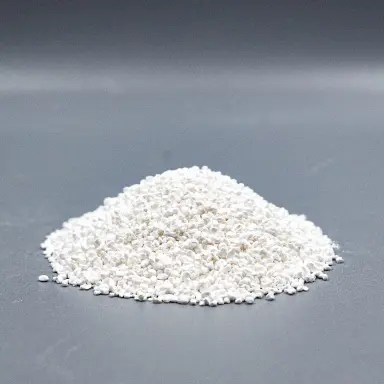
| Granules | 0.45–0.65 g/mL | Premixes and automated feeding; less dust than powder |
Particle size: both powders are at least 99% through 100 mesh. The granules have no more than 5.0% coarser than 20 mesh and no more than 10.0% finer than 80 mesh.
Bulk density also sets how much space you need. A metric ton of light powder fills about 5–10 cubic meters before packing, against about 1.5–2.2 cubic meters for granules, which matters for warehouse space and for freight charged by volume.
Specifications
The table below is for food grade light magnesium oxide powder, taken from our specification sheet. Heavy powder and granules have the same chemical and microbiological limits; only appearance, particle size and bulk density differ, as shown above. The COA for each batch reports the results.
Specifications: Food Grade Light Magnesium Oxide Powder
| Item | Specification |
|---|---|
| Description | White powder |
| Identification | Positive test for magnesium |
| Assay (as MgO) | 96.0–100.5% |
| Appearance of Solution | Passes test |
| Soluble Salts | ≤ 0.5% |
| Acid-Insoluble Substances | ≤ 0.1% |
| Loss on Ignition | ≤ 10.0% |
| Heavy Metals | ≤ 20 ppm |
| Iron (Fe) | ≤ 0.05% |
| Lead (Pb) | ≤ 3.0 ppm |
| Arsenic (As) | ≤ 3.0 ppm |
| Cadmium (Cd) | ≤ 1 ppm |
| Mercury (Hg) | ≤ 0.1 ppm |
| Calcium (Ca) | ≤ 1.5% |
| Particle Size | ≥ 99% through 100 mesh |
| Whiteness | ≥ 90% |
| Total Aerobic Plate Count | < 1,000 cfu/g |
| Molds and Yeasts | < 100 cfu/g |
| Escherichia coli | Not detectable |
| Salmonella | Not detectable |
| Bulk Density (Typical) | 0.10–0.20 g/mL |
Loss on ignition (≤ 10.0%) covers the moisture and carbon dioxide that magnesium oxide takes up from the air, so it is the result most affected by storage. For what each line on the certificate means, see How to Read a Magnesium Oxide COA.
Standards and Regulatory Status
Our food grade magnesium oxide is made to GB 1886.216-2016, the Chinese national food safety standard for magnesium oxide, and to FCC.
- Identity: MgO, CAS 1309-48-4, EINECS 215-171-9, molecular weight 40.30.
- Food additive number: E 530 in the EU, INS 530 in the Codex system.
- HS code: 2519.90.
- United States: 21 CFR 184.1431 affirms magnesium oxide as GRAS for use as an anticaking and free-flow agent, firming agent, lubricant and release agent, nutrient supplement and pH control agent, at levels within current good manufacturing practice.
- JECFA: magnesium oxide (INS 530) was evaluated in 1965 with an ADI “not limited”.
For pharmaceutical and supplement products made to the USP, see USP Magnesium Oxide. All five of our magnesium oxide products are listed under Magnesium Oxide.
Uses in Food and Supplements
- Acidity regulator: adjusts pH in food products.
- Anticaking agent: keeps powdered foods free-flowing.
- Magnesium fortification: MgO is 60.3% magnesium by weight, so a small amount adds a lot of magnesium to fortified foods, premixes and supplement tablets. To compare compounds, use the Magnesium Content Calculator.
Working With Food Grade Magnesium Oxide
- Solubility: practically insoluble in water; it dissolves in dilute acids. In liquid products it stays suspended unless the product is acidic enough to dissolve it.
- Alkalinity: it is alkaline, which is why it works as an acidity regulator.
- Reactivity: the light powder has a larger surface area and reacts faster than the heavy powder or granules.
- Moisture: it slowly takes up water and carbon dioxide from the air. Keep bags sealed and close part-used bags.
Documents, Packing and Ordering
- Documents: TDS, COA, SDS and specification sheet for each form, on each product page and in the Download Center. No login is needed. Each shipment comes with a COA.
- Packing: 10, 15 or 25 kg bags: PP woven bags or kraft paper bags with a PE liner. Neutral packing is standard; custom packing on request.
- Minimum order: 1 metric ton.
- Samples: free of charge.
- Payment: T/T or L/C.
- Lead time: confirmed with each quotation.
- Shelf life and storage: 24 months in the original sealed bag. Keep sealed, in a dry place at room temperature.
Every batch is tested in the plant lab before packing; see Quality Control & Documentation and Our Factory.
What to Send With Your Inquiry
- Form: light powder, heavy powder or granules
- Quantity per shipment and expected annual volume
- Destination port and bag size
- The standard your market requires, and any limits that differ from our specification
We check your requirements against our specification before we quote. For how the quote is built, see Magnesium Oxide Price per Ton.