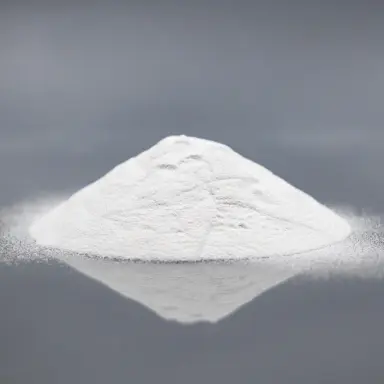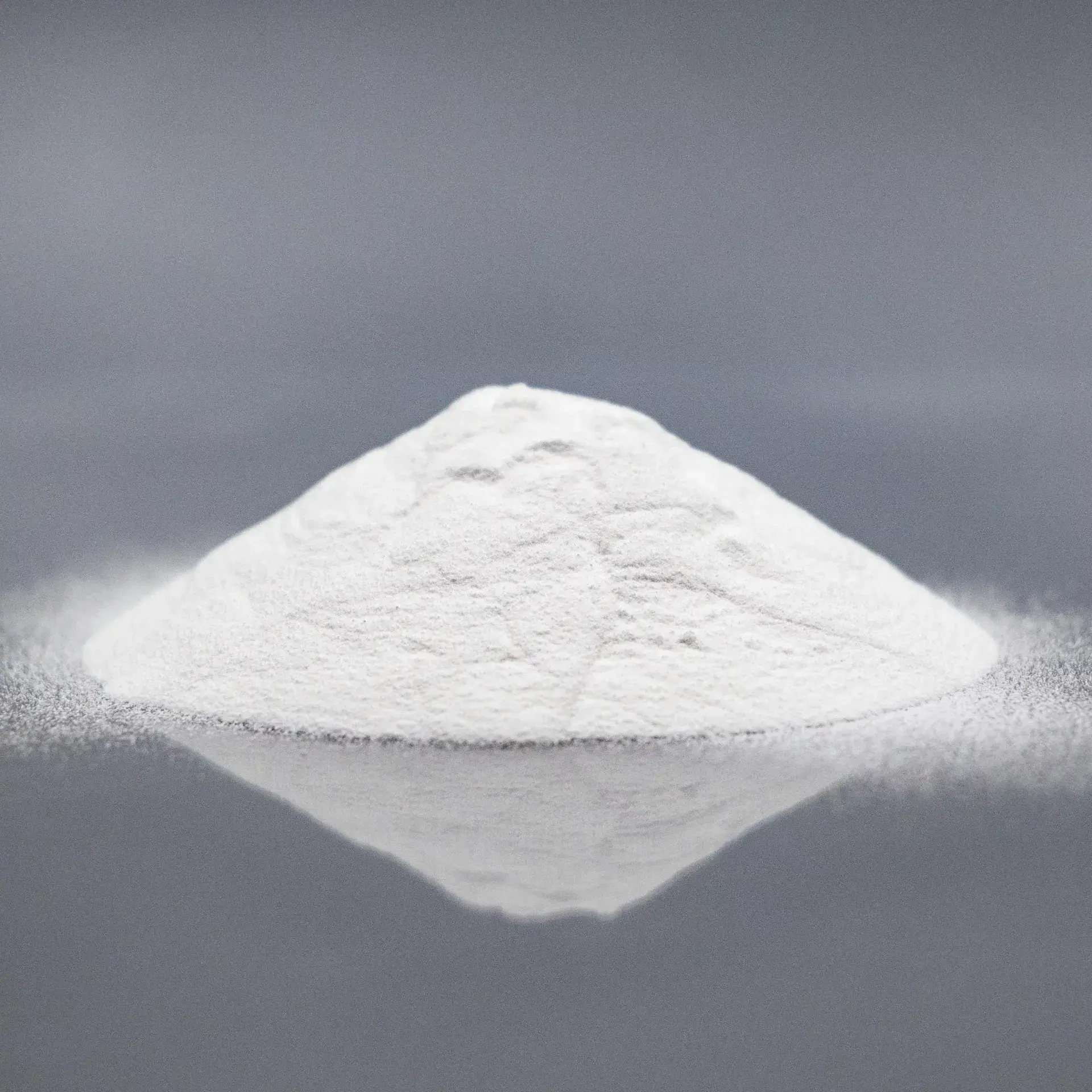
Light and heavy magnesium oxide are the same compound, MgO, in two physical forms. Light MgO is bulky and reacts faster; heavy MgO is denser and flows better. They do not differ in purity.
Same Compound, Two Physical Forms
21 CFR 184.1431 describes light magnesium oxide as a bulky white powder and heavy magnesium oxide as a relatively dense white powder. Both are made by heating magnesium hydroxide or carbonate: the regulation gives 400 to 900 °C for a few hours for light MgO and 1200 °C for 12 hours for heavy MgO, and notes that light MgO turns into heavy MgO with sustained heating at high temperature.
Light and heavy are trade names based on bulk density. Pharmacopoeias and food additive specifications define them by the volume that a fixed weight of powder occupies, and the cut-off values are not the same in every standard. If a buyer's specification calls for light or heavy MgO, check which standard it refers to.
How Calcining Temperature Changes the Oxide
The industry also groups magnesia by how hard it is burned. Published reviews give these approximate ranges:
- Caustic-calcined (light-burned): about 700–1000 °C. The highest surface area and the most reactive.
- Hard-burned: about 1000–1500 °C. Lower surface area and slower to react.
- Dead-burned: about 1400–2000 °C. Almost unreactive; used mainly in refractories.
The same rule runs through all of them: the higher the temperature and the longer the hold, the smaller the surface area and the slower the oxide reacts. The 21 CFR conditions put light MgO at the reactive end of this scale and heavy MgO, held at 1200 °C, well into the harder-burned range. The two naming systems only line up roughly, so a "light" label tells you about bulk density first and reactivity second.
How They Differ in Use
- Light MgO: low bulk density and a large surface area, so it disperses easily and reacts faster. Our light powder has a typical bulk density of 0.10–0.20 g/mL.
- Heavy MgO: denser, so it takes up less volume per kilogram and flows better when filling tablets and capsules.
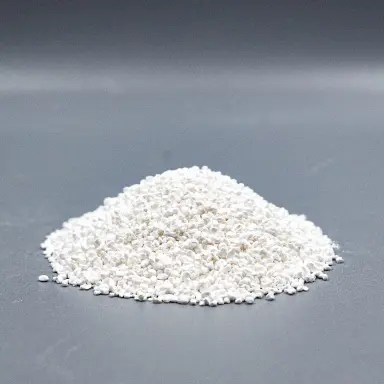
- Granules: a third option in food grade, with a typical bulk density of 0.45–0.65 g/mL and less dust than powder.
Bulk density decides how much space each kilogram needs. At 0.10–0.20 g/mL, one kilogram of our light powder fills about 5–10 liters, so a metric ton fills about 5–10 cubic meters. At 0.45–0.65 g/mL, one kilogram of granules fills about 1.5–2.2 liters. This affects the number of bags, the warehouse space, and how much fits in a mixer or a capsule of fixed size.
Reactivity and How It Is Measured
Reactivity matters when magnesium oxide has to neutralize acid quickly or take part in a reaction during processing. It rises as particle size falls and surface area grows.
A common laboratory check is the citric acid test: a weighed amount of MgO is added to a citric acid solution containing an indicator, and the time until the color changes is recorded. A shorter time means a more reactive oxide. Some labs use an acetic acid version of the same test. Our food grade and USP grade specifications do not set a reactivity limit. If your process depends on reactivity, name the test method and the limit in your inquiry so we can confirm before you order.
Same Chemical Limits
Light and heavy describe physical form, not purity. In our food grade, the light powder, heavy powder and granules share the same chemical and microbiological limits. In our USP grade, the light and heavy powders share the USP 41 limits.
Moisture and Storage
Magnesium oxide slowly takes up moisture and carbon dioxide from the air, which raises its loss on ignition. Light powder has much more surface exposed per kilogram than heavy powder or granules, so keep it sealed until use and close part-used bags. Shelf life for all our magnesium oxide products is 24 months in the original sealed bag, stored dry at room temperature.
How to Choose
| Use | Usual Choice |
|---|---|
| Tablets and capsules | Heavy powder |
| Blends where fast dispersion matters | Light powder |
| Premixes and automated feeding | Granules (food grade) |
What to Ask a Supplier
- Grade and standard: food grade to GB 1886.216-2016 and FCC, or USP grade to USP 41, on the specification sheet.
- Bulk density: the typical value on the TDS, and whether it is loose or tapped.
- Particle size: the mesh size and the share that passes it.
- Light or heavy: which standard the label follows, if your market defines it.
- Batch documents: a COA with each shipment.
Specifications and order terms: Food Grade Magnesium Oxide and USP Magnesium Oxide. To compare magnesium content with other compounds, use the Magnesium Content Calculator.