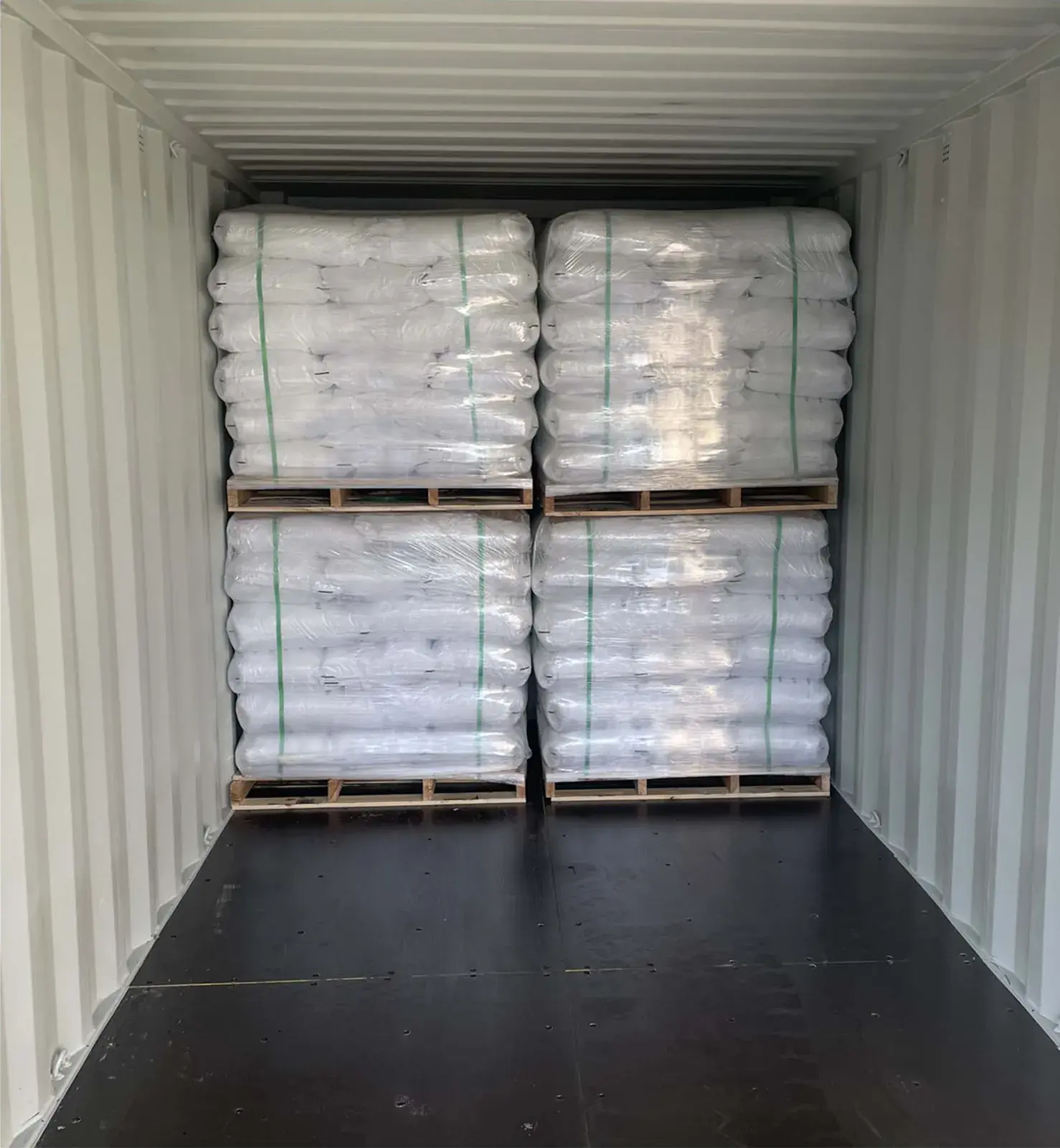
Magnesium oxide is classified under HS 2519.90, magnesium hydroxide under 2816.10, basic magnesium carbonate under 2836.99, magnesium chloride under 2827.31 and calcium chloride under 2827.20. Below are the six-digit codes with the US and EU subheadings.
Six-Digit HS Codes
| Product | HS Code | Description |
|---|---|---|
| Magnesium oxide | 2519.90 | Other magnesium oxide, whether or not pure |
| Magnesium hydroxide | 2816.10 | Hydroxide and peroxide of magnesium |
| Basic magnesium carbonate | 2836.99 | Other carbonates |
| Magnesium chloride | 2827.31 | Chlorides of magnesium |
| Calcium chloride | 2827.20 | Calcium chloride |
The codes cover all forms we supply: light and heavy powders, granules, flakes and pellets, hydrated or anhydrous. The first six digits are the same in every country that uses the Harmonized System. Each country adds its own digits for its tariff and statistics.
US and EU Subheadings
| Product | US HTSUS | EU CN |
|---|---|---|
| Magnesium oxide | 2519.90.50.00 | 2519 90 10 |
| Magnesium hydroxide | 2816.10.00.00 | 2816 10 00 |
| Basic magnesium carbonate | 2836.99.50.50 | 2836 99 11 |
| Magnesium chloride | 2827.31.00.00 | 2827 31 00 |
| Calcium chloride | 2827.20.00.00 | 2827 20 00 |
Sources: Harmonized Tariff Schedule of the United States (2026 edition) and the EU Combined Nomenclature (2025).
Notes on Classification
- Magnesium oxide: heading 25.19 covers “other magnesium oxide, whether or not pure”, so food and USP grade magnesium oxide stay under 2519.90 rather than chapter 28. Heading 28.16 covers only the hydroxide and peroxide of magnesium, so magnesium hydroxide goes there but magnesium oxide does not, however pure it is. In the US tariff, fused and dead-burned magnesia (2519.90.10) and caustic calcined magnesite (2519.90.20) have their own lines; other magnesium oxide falls under 2519.90.50. The EU line 2519 90 10 reads “magnesium oxide, other than calcined natural magnesium carbonate”.
- Magnesium carbonate: natural magnesium carbonate (magnesite) is 2519.10. Precipitated basic magnesium carbonate is a chemical carbonate under heading 28.36, subheading 2836.99. The EU has a separate line, 2836 99 11, for carbonates of magnesium and of copper. The US tariff has no line that names magnesium carbonate; it falls under 2836.99.50, “other”, by the structure of the heading, so check US Customs rulings before you rely on the 10-digit code.
- Chlorides: the hydrated and anhydrous forms of magnesium chloride share one code, and so do those of calcium chloride.
The HS code for each of our magnesium oxide, magnesium hydroxide, magnesium chloride and calcium chloride products is listed on its product page.
What Goes on the Shipping Documents
The HS code appears on the commercial invoice and the packing list, next to the product description. Use the same product name, grade and CAS number on the invoice, the packing list and the COA, so a customs officer can match them without asking. If the importer has already chosen a national code, tell us before shipment so the six-digit code on our documents matches it.
Getting a Binding Answer
If the classification is uncertain or the duty difference is large, the importer can ask customs for a binding decision before the goods arrive:
- United States: U.S. Customs and Border Protection issues binding rulings, and past rulings can be searched in its CROSS database.
- European Union: the customs authority of a member state issues Binding Tariff Information (BTI), which applies throughout the EU.
Confirm the National Code
The importer declares the tariff code. Use these codes as a starting point and confirm the national code, and any duty that applies to goods of Chinese origin, with your customs broker before shipment.