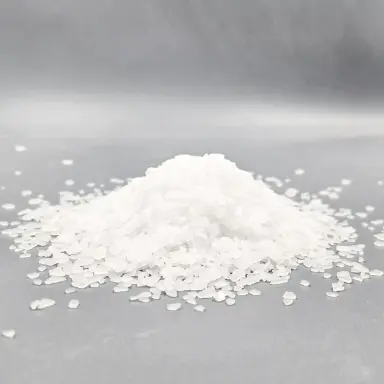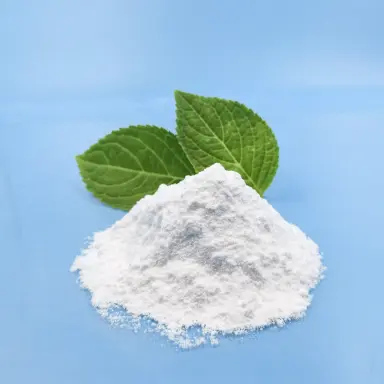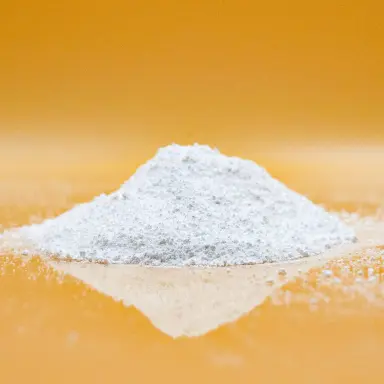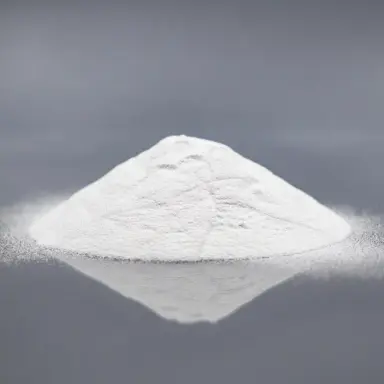
Food additives E504, E509, E511, E528 and E530 for anti-caking, firming, coagulation, fortification and brewing.
Typical food uses include tofu coagulation (magnesium chloride), cheese making and brewing (calcium chloride), anti-caking in salt and powders (magnesium carbonate and magnesium oxide), and magnesium fortification in foods and supplements. See the food grade overview for E numbers and standards.
Uses by Product
| Use | Products |
|---|---|
| Tofu and soy coagulant | Magnesium chloride hexahydrate (nigari), calcium chloride |
| Cheese making | Calcium chloride |
| Brewing water | Calcium chloride |
| Firming agent | Calcium chloride, magnesium chloride |
| Anticaking agent in salt and powdered foods | Magnesium carbonate, magnesium oxide |
| Acidity regulator | Magnesium oxide, magnesium carbonate, magnesium hydroxide |
| Flour treatment agent | Magnesium carbonate, where local rules allow it |
| Magnesium fortification | Magnesium oxide, magnesium carbonate, magnesium chloride |
Solubility in Water
Solubility often decides which compound fits a product:
| Product | Solubility in Water |
|---|---|
| Magnesium chloride hexahydrate | Very soluble |
| Calcium chloride | Freely soluble |
| Magnesium oxide | Practically insoluble |
| Magnesium hydroxide | Practically insoluble |
| Basic magnesium carbonate | Practically insoluble |
The three insoluble compounds dissolve in dilute acids. They suit dry blends, tablets and premixes; in liquids they stay suspended unless the product is acidic enough to dissolve them.
Cheese, Tofu and Canned Vegetables
- Cheese: dairy research reports typical additions of 100–200 mg of calcium chloride per kilogram of milk. In the US, 21 CFR 184.1193 sets a maximum of 0.2% calcium chloride in cheese as served.
- Tofu: magnesium chloride sets soy milk quickly. Coagulation that is too fast can give tofu that holds less water and has a coarser texture, so trial the dose with your own soy milk.
- Processed vegetables: 21 CFR 184.1193 allows calcium chloride up to 0.4% as served in processed vegetables and vegetable juices.
Rules differ by market. Check them for your product before you set a dose.
Magnesium Content
For fortification, the magnesium content per kilogram decides the dose:
- Magnesium oxide: 60.3%
- Magnesium hydroxide: 41.7%
- Basic magnesium carbonate: about 24–26%, from its 40.0–43.5% MgO assay
- Magnesium chloride hexahydrate: about 12.0%
To convert between compounds, use the Magnesium Content Calculator.
Products
- Food Grade Magnesium Oxide: light powder, heavy powder and granules
- Food Grade Magnesium Carbonate: light and heavy powder
- Bulk Magnesium Chloride: hexahydrate flakes, granules and granular powder, and anhydrous powder
- Calcium Chloride: dihydrate flakes and powder, anhydrous pellets and powder
- USP Grade Magnesium Hydroxide Powder, which also meets FCC
All food grade products: minimum order 1 metric ton, free samples, and a COA with each shipment.